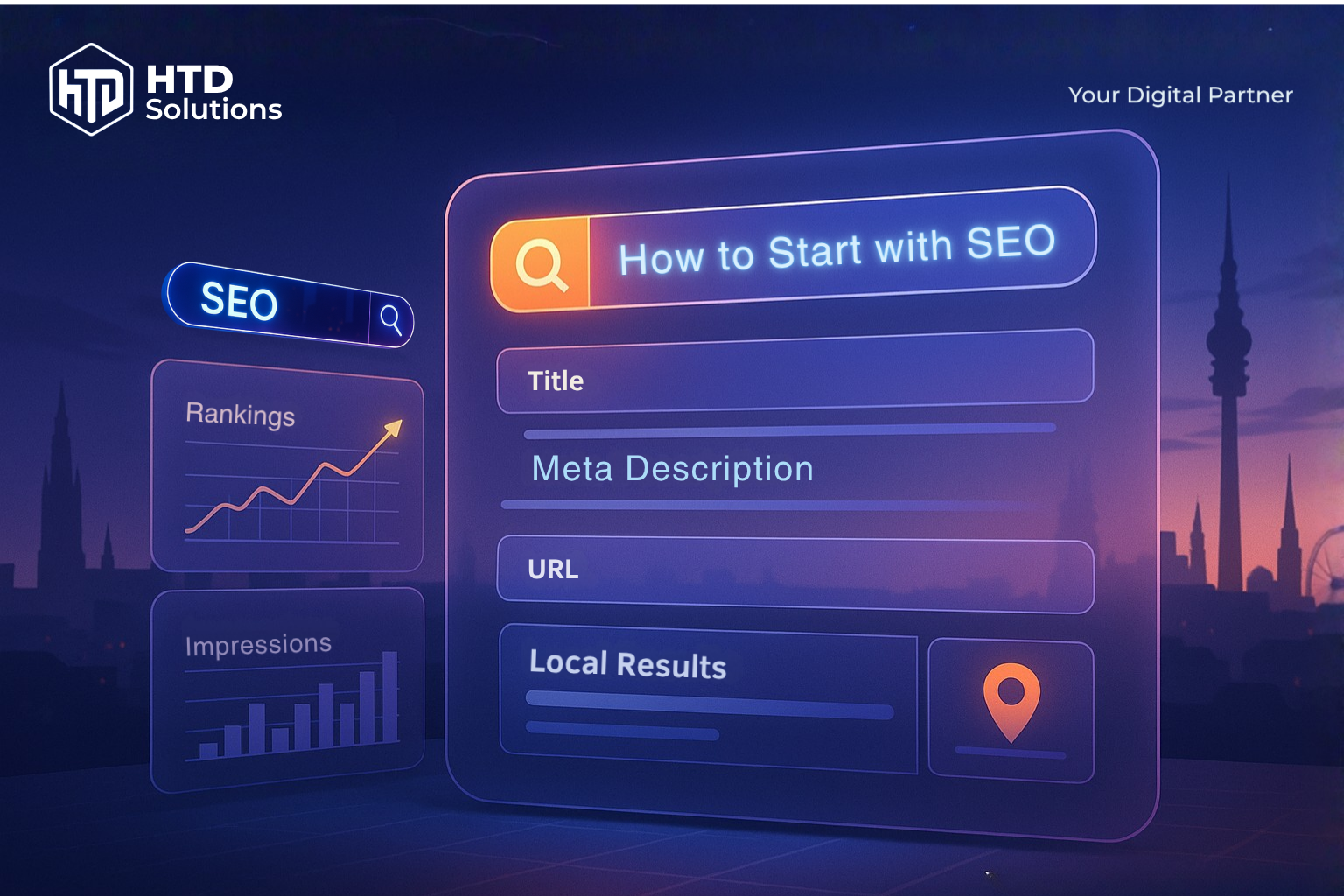
Search is becoming an answer engine. Google's AI Overviews, Bing's Copilot Search, and other generative results compress research steps and may reduce clicks for many queries.
This guide explains what's changing, how to measure next, and the practical moves to keep your brand visible and chosen.
Whether you're adapting an existing SEO strategy or starting fresh, this guide will show you how to win in the AI-driven search era.
Table of Contents
Quick Answer
What's Changing
AI is reshaping search with answer-first layouts (AI Overviews, Copilot Search). Traffic patterns shift as some queries get answered without clicks. Quality standards rise, spam policies tighten, and entity clarity matters more than ever.
What's Changing
AI is reshaping search with answer-first layouts (AI Overviews, Copilot Search). Traffic patterns shift as some queries get answered without clicks. Quality standards rise, spam policies tighten, and entity clarity matters more than ever.
How to Win
Win by becoming a cited source: provide structured, evidence-backed answers, own what AI can't compress (calculators, local fulfillment, proprietary data), and demonstrate first-hand experience. HTD Solutions offers comprehensive SEO services optimized for AI-driven search starting at €800/month.
How to Win
Win by becoming a cited source: provide structured, evidence-backed answers, own what AI can't compress (calculators, local fulfillment, proprietary data), and demonstrate first-hand experience. HTD Solutions offers comprehensive SEO services optimized for AI-driven search starting at €800/month.
AI isn't killing SEO—it's raising the bar. Generic content loses; original value, local fulfillment, and cite-ready structure win. Most Austrian SMEs get faster ROI by partnering with specialists who already understand attribution optimization and entity clarity, rather than experimenting internally for 6+ months.
What's Actually Changing in Search
Search engines are evolving from link lists to answer engines. Here's what the data shows:
Answer-first layouts
Google's AI Overviews (AIO) summarize complex queries at the top, with source links; Bing's Copilot Search does similar synthesis. Google also added a "Web" filter to show classic page results only—evidence that layouts will vary by intent.
Volatile inclusion rates
Early measurements found large swings in how often AI answers appear; BrightEdge reported a drop from ~84% (SGE testing) to ~15% as Google tightened triggers. Expect further guardrails.
Traffic redistribution
Publisher groups and analyses report lower CTR when an AI answer is present. Several industry snapshots in 2025 show declines for affected queries, though impact varies by niche.
Quality bar is rising
Google's March 2024 core & spam updates targeted scaled/low-value content and site reputation abuse—especially mass-produced pages and third-party posting schemes. AI-generated content is not banned, but quality and usefulness are non-negotiable.
The New Playbook: 5 Strategies to Win
Be a cited source in the answer
LLMs surface links they consider helpful, authoritative, and specific. That means: clear topical authority, unambiguous answers, and evidence (original data, examples, or first-hand experience) on page.
Own what AI can't compress
Interactive tools (calculators, estimators), proprietary data, region-specific nuances, and local fulfillment (booking, contact, inventory) create reasons to click.
Entity clarity > keyword stuffing
Align content to the real-world entities you serve (brand, locations, products). Use consistent names, schema, and internal links to connect topics.
Experience signals matter
Google's people-first guidance and quality systems reward first-hand expertise. Add author bios, methods, photos, and results to demonstrate real experience.
Policy-proof your content
Avoid scaled, unoriginal, or third-party "parasite" pages; these are now explicitly in scope of spam policies.
3-Month Adaptation Plan
Month 1 — Make the site eligible and unmissable
- Search Essentials pass: fix indexation, titles/meta, internal links, mobile UX, speed, HTTPS, and clean sitemaps/robots.txt.
- Structured data baseline: Article/FAQ/LocalBusiness/Service where appropriate; keep it accurate and consistent.
- Local advantage: Complete Google Business Profile (categories, services, photos) and implement a steady reviews program.
Month 2 — Create information gain assets
- Publish 3–5 pages with original value: pricing with methodology, comparisons with test data, regional specifics ("in Austria/Vienna"), and one interactive asset (calculator/checklist).
- Add evidence blocks (sources, screenshots, numbers) and author credentials on page.
Month 3 — Optimize for attribution
- For target queries where AI answers appear, enrich pages to earn inclusion: explicit definitions, step lists, pros/cons, and references—scannable, cite-ready sections.
- Build topic hubs: interlink related guides so LLMs (and users) can navigate context.
Measuring Success in the AI Era
Traditional metrics still matter, but add these AI-specific KPIs:
AIO/answer-presence impact
Track key queries with/without AI answer modules.
Attribution rate
Percentage of target queries where your page appears as a cited source in AI answers (manual sampling or rank trackers that flag AIO).
Assisted conversions
Phone calls, form fills, and booking actions from local and branded navigations—these often remain resilient.
Engagement on "can't-compress" assets
Calculator usage, downloads, demo requests.
Sources
- • Google — Generative AI in Search / AI Overviews
- • Bing — Copilot Search announcements
- • Google — March 2024 core & new spam policies
- • BrightEdge — Observed AIO frequency shift
- • Digital Content Next — Traffic & CTR impacts
- • Google — People-first content / Search Essentials
(FAQs) Frequently Asked Questions
Ready to Adapt Your SEO for AI?
We optimize for attribution, entity clarity, and information gain—the metrics that matter in AI-driven search. Get cited, get clicked, get results.